
How to Brush Your Teeth Correctly | Thunder Bay Dentist Guide (2026)

Your Thunder Bay Dentist’s Step-by-Step Advice for a Healthier Smile

Most of us learned how to brush our teeth as children. We picked up a toothbrush, squeezed on toothpaste, and assumed we were doing it right.
But here’s something many people don’t realize: brushing incorrectly can still lead to cavities, gum problems, and enamel damage — even if you brush twice a day.
At dental clinics in Thunder Bay, dentists often see patients who maintain consistent brushing habits but still experience oral health issues. In many cases, the problem isn’t effort — it’s technique.
This guide explains how to brush your teeth correctly, the mistakes to avoid, and simple habits that can help protect your smile for years to come.
Why Brushing Your Teeth Properly Matters
Brushing does much more than keep your breath fresh.
Every day, bacteria in your mouth form a sticky film on teeth called plaque. If plaque is not removed regularly, it can lead to:
Tooth decay (cavities)
Gum disease
Tartar buildup
Bad breath
Tooth sensitivity
Once plaque hardens into tartar, it cannot be removed with a toothbrush and requires professional dental cleaning.
For families living in Thunder Bay, maintaining a strong daily brushing routine can significantly reduce the risk of these common dental problems.

📊 Did You Know?
The Canadian Dental Association recommends brushing twice daily for two full minutes.
However, studies show the average person brushes for less than one minute, which leaves a large portion of plaque behind.

Step 1 — Choose the Right Toothbrush and Toothpaste
Before technique matters, choosing the right tools can make brushing more effective.
The Right Toothbrush
Dentists generally recommend using a soft-bristled toothbrush. Hard bristles may seem like they clean better, but they can actually damage enamel and irritate the gums over time.
Your toothbrush should also have a small enough head to comfortably reach your back teeth, where plaque often accumulates.
Both manual and electric toothbrushes can work well when used properly. Electric toothbrushes, however, often help people maintain consistent brushing pressure and timing.
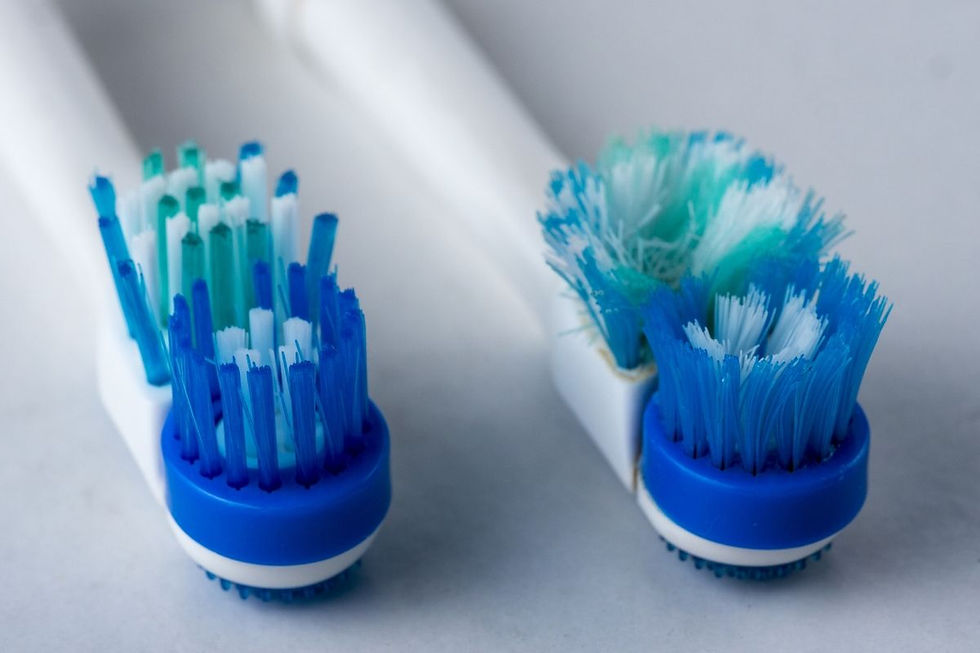
Regardless of the type, replace your toothbrush every three to four months, or sooner if the bristles appear worn.
Choosing the Right Toothpaste
When selecting toothpaste, the most important ingredient to look for is fluoride.
Fluoride helps strengthen enamel and protects teeth from cavities. Most dentists recommend using toothpaste approved by the Canadian Dental Association.
Some toothpastes also target specific concerns such as whitening or sensitivity. These can be helpful, but they should be used gently and appropriately.
For adults, a pea-sized amount of toothpaste is usually enough for effective brushing.
Step 2 — Use the Correct Brushing Technique
Many people brush their teeth every day but still miss the areas where plaque builds up the most — especially along the gumline.
Dentists often recommend a brushing method known as the Modified Bass Technique.
How to Brush Your Teeth Properly
Hold your toothbrush at a 45-degree angle toward your gums
Use gentle, small circular or vibrating motions
Brush the outer surfaces of your teeth first
Clean the inner surfaces next
Brush the chewing surfaces of molars
Tilt the toothbrush vertically to clean the inside of your front teeth
Gently brush your tongue to remove bacteria
The key idea is to brush gently and thoroughly rather than scrubbing aggressively.

The Two-Minute Brushing Rule
Two minutes may seem longer than expected, but it allows enough time to clean every surface of your teeth.
A helpful method is to divide your mouth into four sections:
Upper right
Upper left
Lower right
Lower left
Spend about 30 seconds brushing each section.
Many electric toothbrushes include timers to help ensure you brush long enough.
Avoid Brushing Too Hard
One of the most common mistakes dentists see in patients from Thunder Bay is brushing too aggressively.
Excessive pressure can:
Wear away enamel
Cause gum recession
Lead to tooth sensitivity
If the bristles on your toothbrush bend outward quickly, it may be a sign that you are applying too much pressure.
Gentle brushing is far more effective and safer for your teeth and gums.
When Should You Brush?
Dentists recommend brushing twice a day — once in the morning and once before going to bed.
The nighttime brushing is particularly important because it removes food particles and bacteria before several hours of sleep.
If you have consumed acidic foods or drinks such as citrus, wine, or soda, wait about 30 minutes before brushing. Acid temporarily softens enamel, and brushing immediately can increase enamel wear.
After brushing, it is also helpful to spit out the toothpaste without rinsing immediately, allowing the fluoride to remain on your teeth longer.

Common Brushing Mistakes to Avoid
Even people who brush regularly sometimes develop habits that reduce effectiveness.
Brushing too quickly
Most people brush for less than one minute. Using a timer or electric toothbrush can help maintain the recommended two-minute duration.
Missing the gumline
Plaque often accumulates where teeth meet gums. Angling the toothbrush correctly helps clean this area.
Using an old toothbrush
Worn bristles cannot clean effectively and may irritate the gums.
Skipping inner surfaces
The inner surfaces of teeth — especially lower front teeth — are often neglected but are common areas for tartar buildup.
Not flossing
Brushing cleans roughly 60% of tooth surfaces. Flossing removes plaque from the spaces between teeth that toothbrush bristles cannot reach.

Oral Health Tips for Families in Thunder Bay
Residents of Thunder Bay experience long winters and dry indoor air, which can sometimes contribute to dry mouth.
Saliva plays an important role in protecting teeth from bacteria and cavities, so staying hydrated is important for oral health.
Families should also consider a few additional oral health habits:
Children who participate in sports may benefit from custom mouthguards to protect their teeth.
Homes with private well water may have different fluoride levels than municipal water.
Encouraging children to brush together with parents can help establish lifelong habits.
Brushing Tips for Children
Children require slightly different brushing routines depending on age.
Under 3 years Use a tiny smear of fluoride toothpaste about the size of a grain of rice. Parents should brush their child’s teeth.
Ages 3–6 Use a pea-sized amount of toothpaste and supervise brushing to ensure proper technique.
Ages 6–10 Children can begin brushing more independently but still benefit from occasional supervision.

Your Complete Daily Oral Care Routine
Brushing works best when combined with other oral hygiene habits.
A typical routine recommended by dentists includes:
Floss between teeth
Brush for two minutes
Spit out toothpaste without rinsing immediately
Use mouthwash if recommended by your dentist
Replace your toothbrush every three months
Visit your dentist regularly for checkups and professional cleanings

Frequently Asked Questions
How long should I brush my teeth?
Dentists recommend brushing for two full minutes twice a day. Dividing your mouth into four sections and spending 30 seconds on each can help ensure thorough cleaning.
Is an electric toothbrush better than a manual one?
Electric toothbrushes often remove more plaque because they provide consistent movement and timing. However, a manual toothbrush can be equally effective when used correctly.
Should I brush before or after breakfast?
Brushing before breakfast removes bacteria that accumulate overnight. If you prefer brushing afterward, wait at least 30 minutes if you consumed acidic foods or drinks.
My gums bleed when I brush. What should I do?
Bleeding gums may be an early sign of gingivitis, a mild form of gum disease caused by plaque buildup. If bleeding continues, it is best to schedule a dental checkup.
Can brushing too much damage teeth?
Yes. Brushing more than three times per day or brushing aggressively can damage enamel and irritate gums.
What type of toothpaste should I use?
Most dentists recommend fluoride toothpaste approved by the Canadian Dental Association. It strengthens enamel and helps prevent cavities.

Final Thoughts
Brushing your teeth properly is one of the simplest ways to protect your oral health.
With the right technique, gentle pressure, and two minutes twice a day, you can significantly reduce the risk of cavities and gum disease.
For residents of Thunder Bay, combining consistent brushing with regular dental visits helps maintain healthy teeth and gums for years to come.
If you have questions about your brushing routine or it has been a while since your last checkup, scheduling a visit with your local dentist can help ensure your smile stays healthy.

Ready for Your Next Checkup in Thunder Bay?
Great brushing habits and professional cleanings work best together. Our Thunder Bay dental team offers comprehensive check-ups, gentle cleanings, and personalized advice to keep your whole family smiling.
✨ Book your appointment today — new patients are welcome.


Comments